Sacrificial Anodes: What They Do and When to Replace Them
Those small blocks of metal bolted to your hull, shaft and trim tabs are doing a quiet but important job. When they are gone, the metal they were protecting starts to corrode instead.
What anodes are for
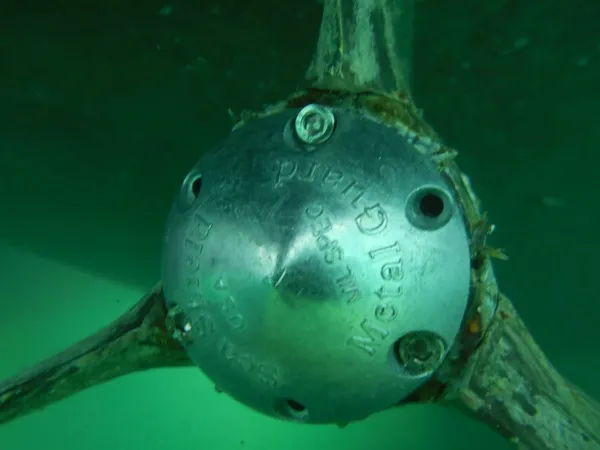
When different metals sit in seawater, a small electrical current can flow between them and one of the metals slowly corrodes. This is called galvanic corrosion. Sacrificial anodes are made from a more reactive metal, so they corrode first and protect the more valuable parts, such as the propeller, shaft, rudder and through-hull fittings.
Common anode materials
- Zinc is the traditional choice for salt water.
- Aluminium is also widely used in salt and brackish water.
- Magnesium is generally used in fresh water.
Which one is right depends on your boat and where it is kept. Check with your boat’s manufacturer or a marine electrician if you are unsure.
How to tell if an anode needs replacing
Anodes are meant to wear away. As a general rule, an anode that has lost around half of its original size is due for replacement, and one that is nearly gone should be changed straight away. Also look for anodes that are cracked, loose or coated in growth, as these may stop working properly. A coating of paint over an anode can stop it protecting anything, so they should not be painted.
How often to check
In warm water, anodes can wear faster, so checking them at every hull clean is sensible. How quickly they are used up depends on your boat’s electrical system, the marina’s electrical environment and how much it is used. Your own wear rate is the best guide.
An easy job to combine
Anodes are simple to check and replace in the water as part of a regular hull and propeller clean. Done on a schedule, it is a cheap way to avoid replacing a corroded propeller or fitting.
See our underwater maintenance service for what we can check and fix during a dive.