Commercial Diver or Recreational Diver for Boat Work?
Plenty of people can dive. Far fewer are trained, equipped and insured to work underwater on someone else’s vessel. Here is why the difference matters when you are choosing who goes under your boat.
Different training for different jobs
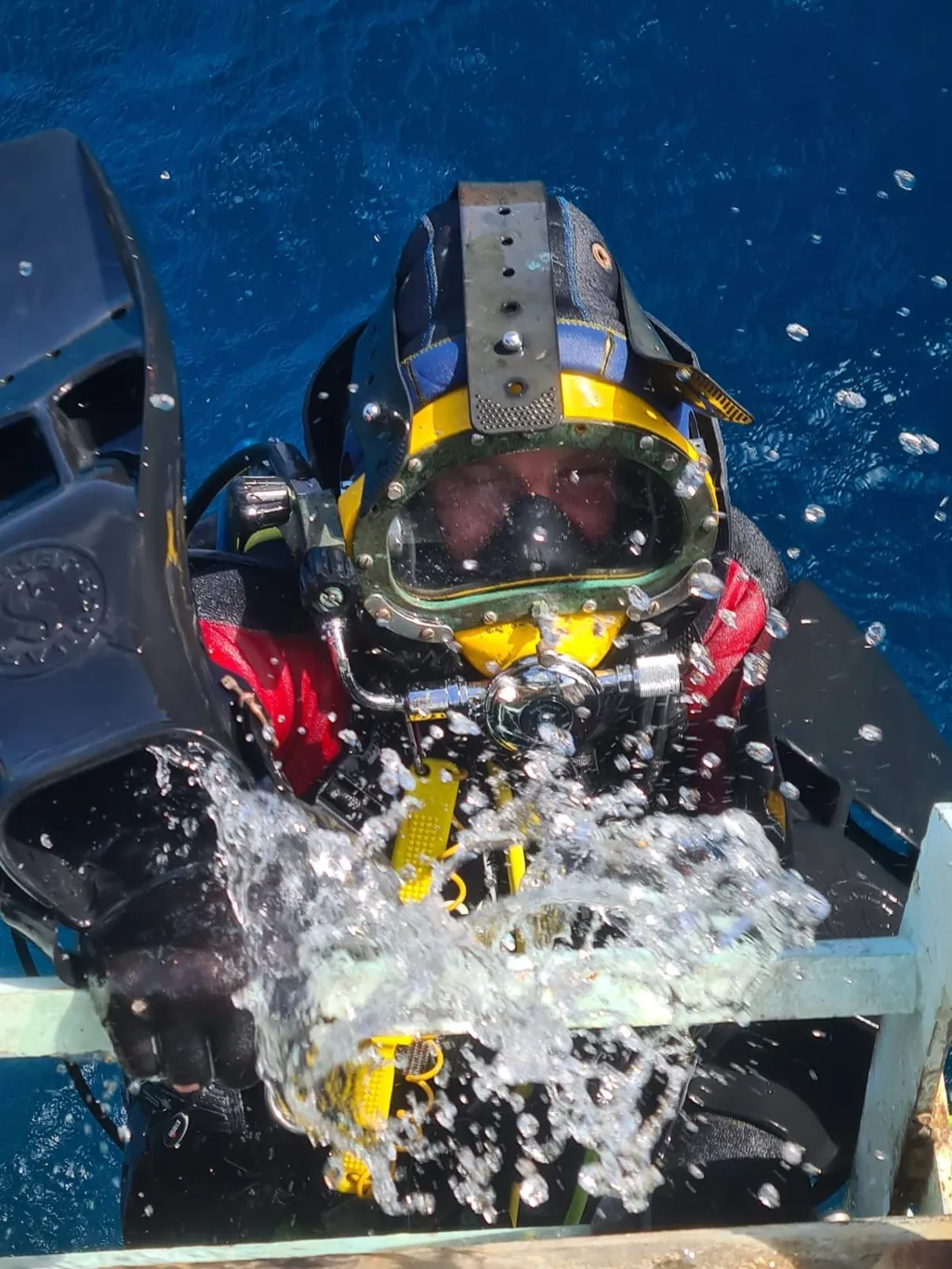
Recreational diving is about enjoying the underwater world. Commercial diving is about doing work: cleaning, inspecting, cutting, installing and repairing, often with tools, in poor visibility or awkward conditions, and to a standard someone is paying for. The training, equipment and procedures reflect that.
What to look for in a commercial diver
- Recognised commercial qualifications. Ask what certifications the diver and the team hold, and ask to see them.
- Appropriate equipment. Work often calls for surface-supplied air, communications and proper tooling, not just a scuba tank.
- Insurance. Make sure the company carries cover for work on vessels. If something goes wrong underwater, you want to know who is responsible.
- Safety procedures. A professional team plans the dive, works with a standby or support diver where appropriate, and tells you what it is doing.
- Reporting. Photos or video of what was found and done give you a record you can keep and show your insurer or surveyor.
Why it matters for your boat
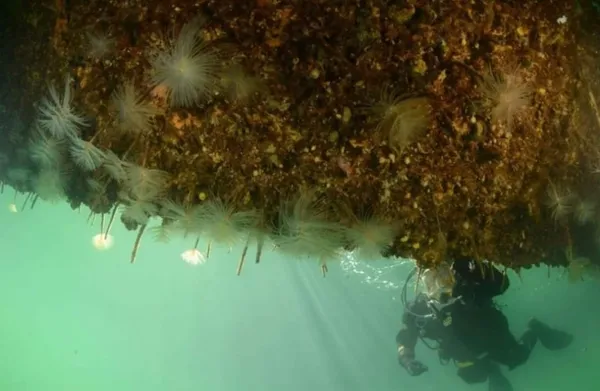
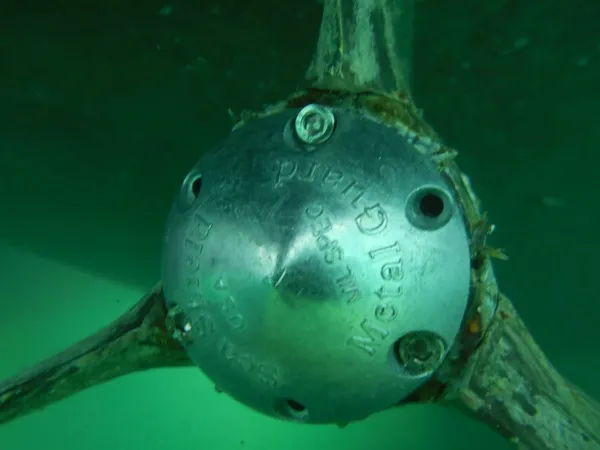
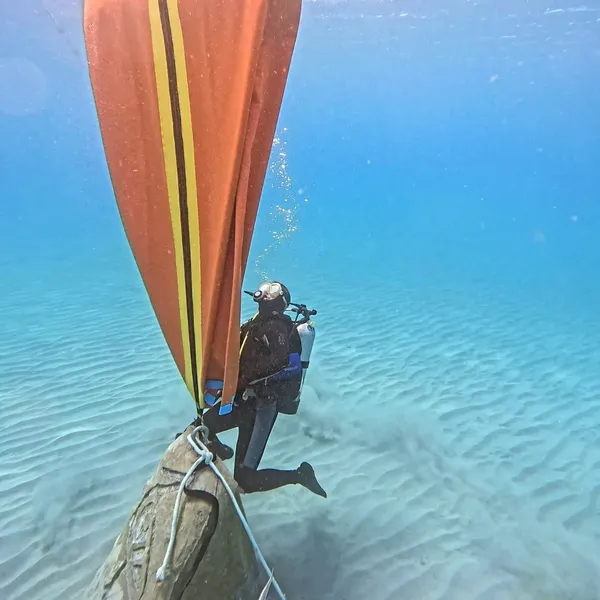
Hull cleaning done badly can damage antifouling. A poorly fitted propeller can cause vibration and shaft wear. A mooring that has been installed or inspected carelessly can fail when it is most needed. Experience with marine work, not just diving, is what protects your investment.
Questions worth asking
How long has the company been working in Sint Maarten? What is the plan if the job turns out to be bigger than expected? Will you provide photos or a report? What happens if conditions are not safe to dive?
Learn about the team behind Cylipso Diving, or see our services.