How Often Should You Clean Your Yacht Hull in Sint Maarten?
Ask ten captains how often a hull should be cleaned and you’ll get ten answers. In the warm, nutrient-rich waters around Sint Maarten, marine growth can take hold quickly, so a fixed calendar date is less useful than knowing what drives fouling on your particular boat.
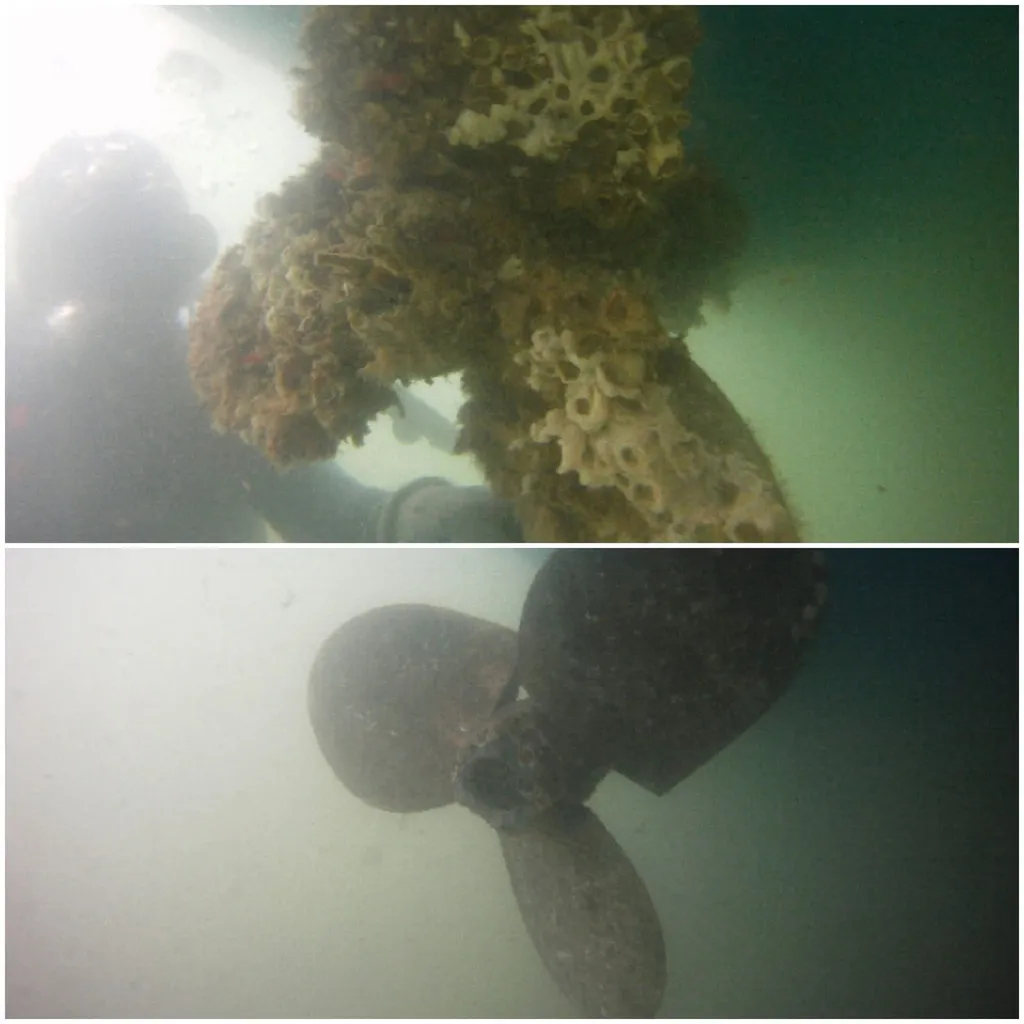
Why hulls foul so quickly in the Caribbean
Barnacles, algae, weed and other organisms settle on any surface that stays in the water. Warm sea temperatures and plenty of sunlight speed that process up, which is why tropical hulls generally need attention more often than boats in cooler climates. Fouling adds drag, which can cost you speed and fuel and make the engine work harder.
What decides how often you need a clean
There is no single correct interval. These are the factors that matter most:
- How much the boat moves. A yacht that sits on a mooring or at anchor for weeks collects growth faster than one that cruises regularly.
- Antifouling paint. The type, age and condition of your coating makes a big difference, and most coatings lose effectiveness over time.
- Where you are moored. Sheltered, warm, slow-moving water such as a busy bay or lagoon tends to foul faster than open water.
- Time of year. Growth is often quicker in the warmest months.
- Your goals. A racing or performance boat usually needs a cleaner hull than a casual cruiser.
Signs it’s time for a clean
- A noticeable drop in cruising speed at the same engine revs
- Higher fuel use than usual
- Visible growth around the waterline or on the rudder, keel or trim tabs
- A rough, slimy or crusty feel when a diver runs a hand along the hull
- Vibration or poor performance that could point to a fouled propeller
Get an inspection, not a guess
The easiest way to answer “how often?” for your boat is to have a diver look at it. A short inspection shows how much growth there is, how your antifouling is holding up, and whether the propeller, running gear and anodes need attention too. From there you can set a simple schedule, for example regular cleans through the warmest months, and adjust as you see what works.
Regular cleaning also helps protect your coating, because aggressive scrubbing of a heavily fouled hull is harder on antifouling than keeping on top of light growth. If you are not sure what is right for your paint, ask your coating manufacturer or yard for their guidance.
Read more about how we work in our hull cleaning article, or see the hull cleaning service.